

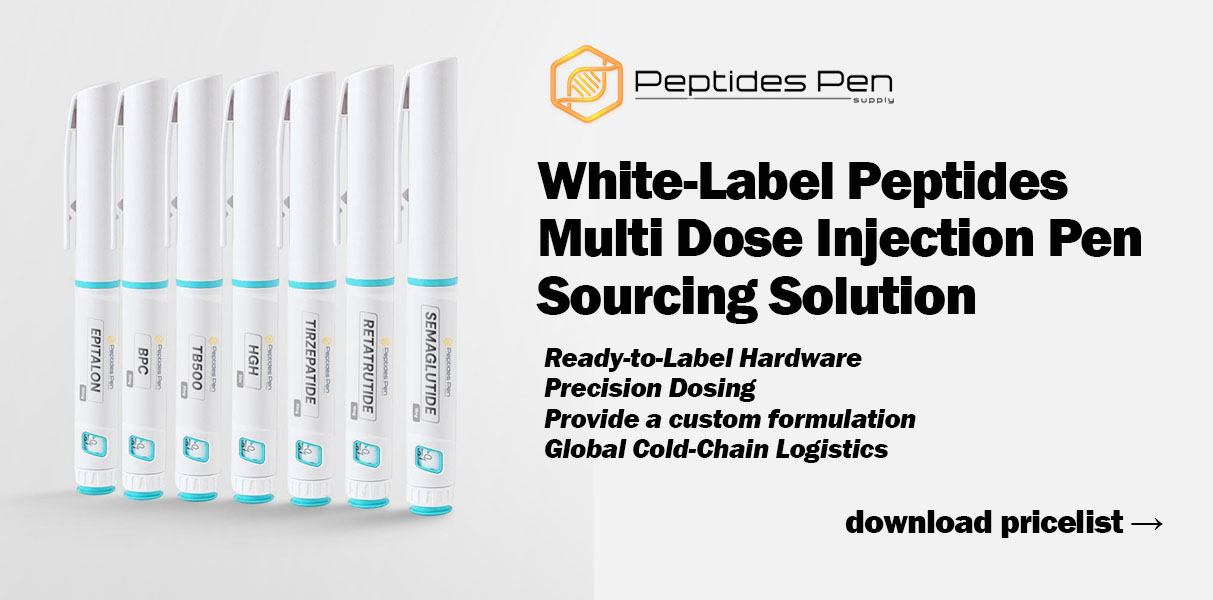
Human Growth Hormone (HGH), also known as somatropin, is a prescription-only peptide used for medical and therapeutic purposes, including growth hormone deficiency, muscle wasting, and anti-aging treatments. With the rise of online pharmacies and global peptide markets, counterfeit HGH has become a growing issue — leading to financial loss, health risks, and even legal consequences.
If you’re a pharmacy, clinic, or licensed reseller, knowing how to identify legitimate HGH suppliers is crucial for maintaining compliance and protecting your patients. Below is a detailed guide on recognizing trusted HGH vendors and spotting the red flags of fake HGH distributors.
1. Verify Supplier Credentials and Licensing
The first step in verifying a legitimate HGH supplier is to check their business credentials and certifications. Authentic HGH distributors will:
- Operate under a valid pharmaceutical license.
- Comply with Good Distribution Practice (GDP) and Good Manufacturing Practice (GMP) regulations.
- Be registered with national or regional health authorities.
Ask for documentation such as a pharmacy license, GMP certificate, or certificate of analysis (COA) for each batch of HGH. Legitimate suppliers will provide these without hesitation. If a seller avoids showing official proof or claims their “documents are confidential,” it’s a red flag.
2. Evaluate the Brand and Manufacturer
Trusted HGH vendors work directly with recognized pharmaceutical brands like Pfizer, Novo Nordisk, Genotropin, or Eli Lilly. Always check:
- Brand authenticity: Verify if the manufacturer actually produces the product in question.
- Packaging consistency: Fake HGH often comes in boxes with misspelled words, mismatched fonts, or poor-quality labeling.
- Batch numbers and QR codes: Scanable QR codes or verifiable batch numbers can confirm authenticity via the manufacturer’s database.
For instance, somatropin authenticity can be verified by cross-checking serial numbers with the manufacturer’s verification site or contacting their official representative.
3. Beware of Unrealistic Pricing
One of the most common fake HGH warnings is a price that’s too good to be true. Genuine HGH is expensive to produce because it involves recombinant DNA technology and strict cold-chain distribution.
If you see offers like:
- “Half-price HGH direct from the factory”
- “Buy 2 get 1 free HGH vials”
- “Somatropin for sale, no prescription needed”
— those are major red flags. A legitimate HGH supplier will have consistent wholesale pricing, often aligned with other authorized distributors. Drastic discounts or bulk promotions are telltale signs of counterfeit or diluted products.
4. Check Cold Chain and Shipping Standards
Somatropin is temperature-sensitive and must be stored between 2°C–8°C. Reputable suppliers always use cold-chain logistics to maintain product stability during transport.
Ask your supplier about their:
- Packaging methods (e.g., ice packs or thermal boxes)
- Courier partners specializing in medical shipments
- Delivery time and tracking system
If HGH arrives warm, with melted ice packs, or without temperature control documentation, reject the batch immediately. These conditions compromise product integrity — a serious HGH fraud prevention issue that can lead to reduced potency or contamination.
5. Avoid Suppliers Without Prescription Requirements
HGH is not an over-the-counter supplement. Any website or supplier offering HGH without a prescription is operating illegally. Genuine HGH distributors require:
- A valid prescription from a licensed medical provider
- Patient information and treatment indication
- Verification of the buyer’s medical or pharmacy license (for wholesale transactions)
Unregulated websites that bypass prescription checks are likely selling illegal or counterfeit HGH sourced from unverified labs.
6. Look for Transparent Communication and Customer Support
Legitimate HGH suppliers have professional communication channels, including verified phone numbers, email addresses, and physical office locations. Warning signs include:
- Only communicating through Telegram, WhatsApp, or private chat apps.
- No customer service or unclear return policies.
- Refusal to provide clear invoices or tax documents.
A trusted supplier will maintain transparency about sourcing, storage, and delivery — and provide a written policy on refunds and replacements.
7. Research Online Reputation and Reviews
Before partnering with a supplier, search their online presence. Check independent forums, LinkedIn, and pharmaceutical directories. Look for patterns of feedback — both good and bad.
Common red flags include:
- Repeated complaints about fake products or failed lab tests.
- New domain names with no business history.
- Fake positive reviews or suspicious testimonials.
A reputable HGH vendor will have a long-standing record, verified business addresses, and transparent contact details.
8. Use Lab Testing and Verification Services
If in doubt, send a sample of the product for third-party lab testing. Laboratory assays can confirm:
- Actual somatropin concentration.
- Purity and presence of contaminants.
- Biological activity and molecular structure.
This step is essential for clinics and distributors who want to ensure the authenticity of HGH before prescribing or reselling it.
Conclusion: Protecting Your Practice and Patients
In today’s growing online peptide market, HGH fraud prevention requires vigilance and knowledge. Always verify supplier credentials, check batch authenticity, and maintain strict storage protocols.
Choosing legitimate HGH suppliers not only protects your business reputation but also safeguards patient safety. Remember: trusted HGH vendors value compliance, transparency, and product integrity — while fake distributors hide behind low prices and vague promises.
By staying alert to these red flags and maintaining rigorous verification processes, you can confidently source authentic somatropin and build a reliable foundation for ethical pharmaceutical operations.